Research-informed from the beginning.
The Craig School was built on an unusual foundation.
Our roots reach back to a long-running program at UC Irvine focused on students with ADHD and related learning differences. That history gave the educators and families who created TCS years of experience seeing what helps capable students succeed and what can get in their way.
When the university program ended in 2019, a core group carried that experience forward and created The Craig School as an independent nonprofit school.
But research did not stop in 2019.
Neither did we.

What research looks like in practice
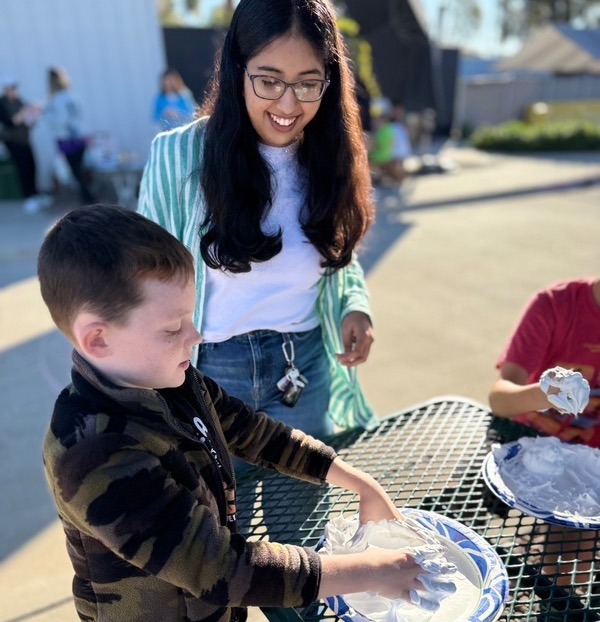
Research matters when it changes what happens in the classroom.
At TCS, current research and evidence-informed practices help shape how we approach academics, executive function, attention, social learning, communication, assessment, and student support.
That shows up throughout the school day.
Smaller learning environments.
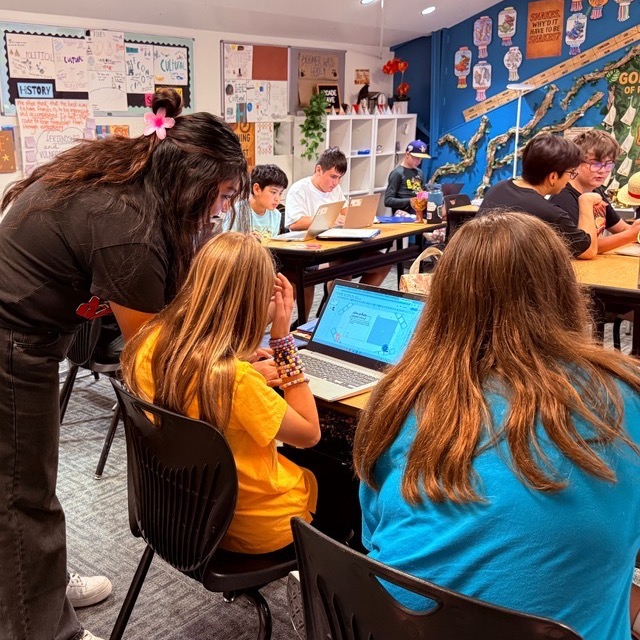
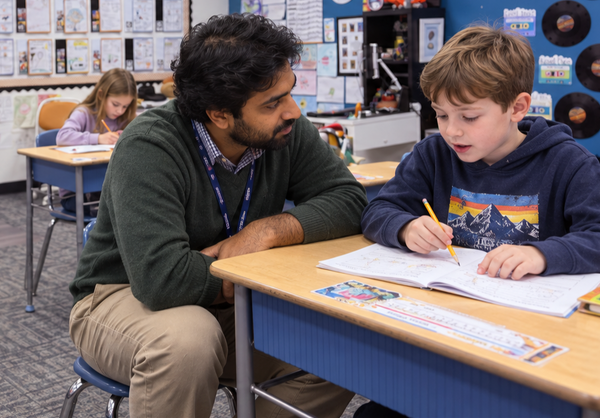
Classes are intentionally small, with a maximum class size of 15 and a high level of adult support. Teachers have more opportunities to notice when a student is struggling, adjust instruction, provide feedback, and help students reengage before frustration takes over.
Executive function is taught.
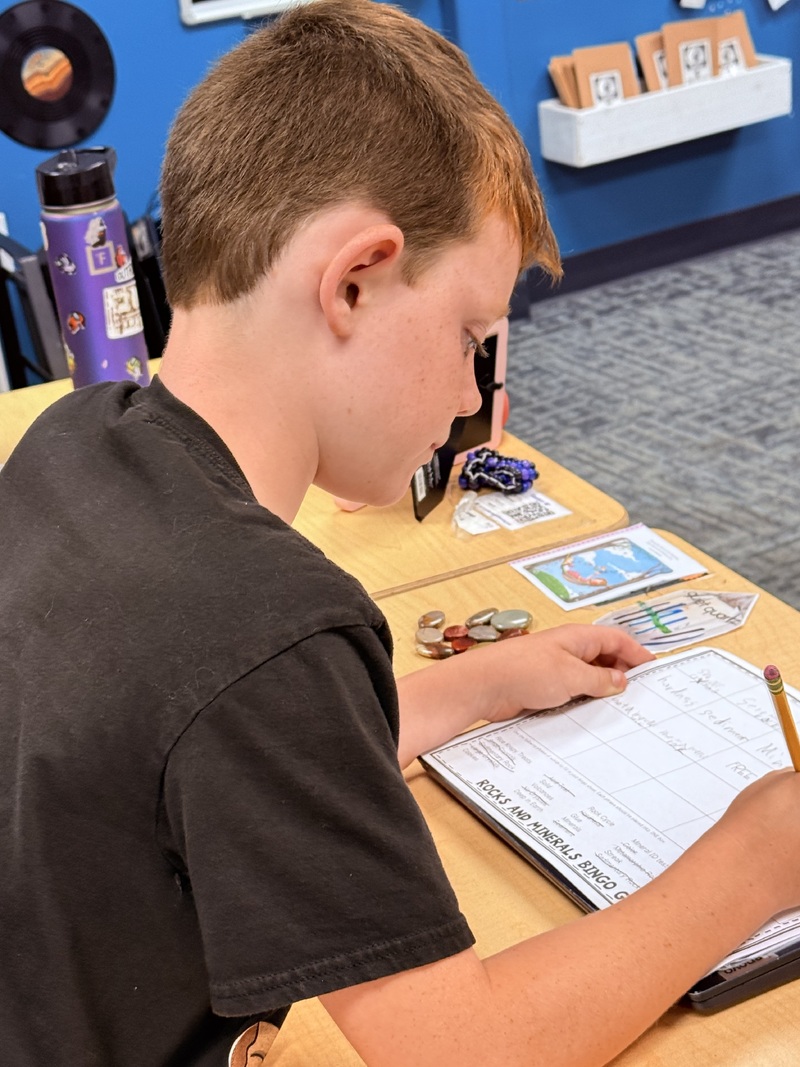
Planning, organization, task initiation, time management, working memory, self-monitoring, and flexible thinking are not treated as skills students should simply have.
They are taught, practiced, reinforced, and used throughout the school day.
Social learning happens every day.
Students in grades 3–6 participate in Social Skills. Students in grades 7–8 participate in Communications.
These are part of the regular school day because learning how to communicate, collaborate, solve problems, read situations, advocate for yourself, and repair mistakes takes practice.
Support is built in
Students should not have to fail before receiving support.
At TCS, structure, movement, executive function strategies, smaller classes, social learning, academic support, and frequent feedback are part of the educational model.
Academic progress is measured
Support does not replace academic expectations.
We use curriculum-based assessments and other measures of student performance to understand where students are, monitor growth, identify gaps, and adjust instruction.
Our work continues.
The Craig School is proud of where our approach began. But our work is not based on preserving a program from the past.
We continue to evaluate curriculum, instructional practices, assessment data, current research, and the needs of the students we serve.
Because the question is not whether something worked years ago.
The question is whether it is helping our students learn today.