
Learning how to learn.
The homework left behind or never turned in. The project started the night before it was due. A child can understand the lesson and still struggle to start, follow steps, or keep track of time.
These challenges reflect the executive function skills that need support. At The Craig School, student learn and practice these skills throughout the day.
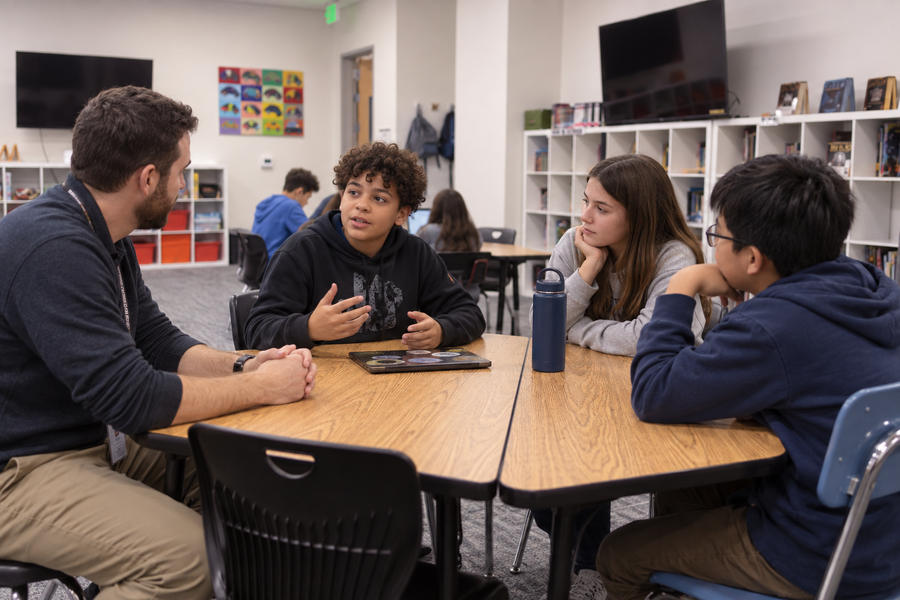
The skills around the work.
Executive function helps students get started, stay on track, and manage their work. Our focus is to coach on five critical skills.
Organization. Keep track of supplies, homework, and time.
Planning. Break a task into steps and decide what comes first.
Self-management. Manage focus, feelings, and actions.
Flexible thinking. Try a new approach when the first one does not work.
Self-advocacy. Know when you need help and ask for it.
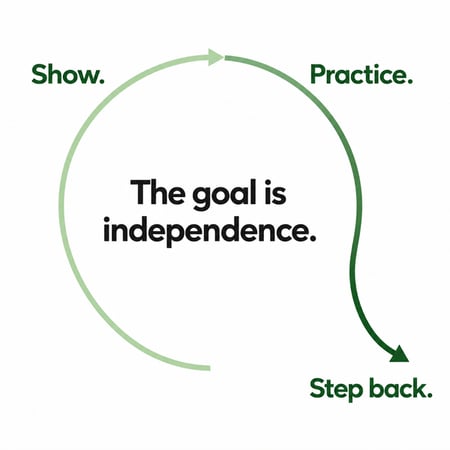
Show. Practice. Step Back.
Learning requires several reinforcing steps. Teachers and in-class counselors make each step clear. They show students how to use a plan, a routine, or a written reminder. Then students practice with help.
As a student learns the skill, adults give them more room to use it on their own. Support changes as their needs change.
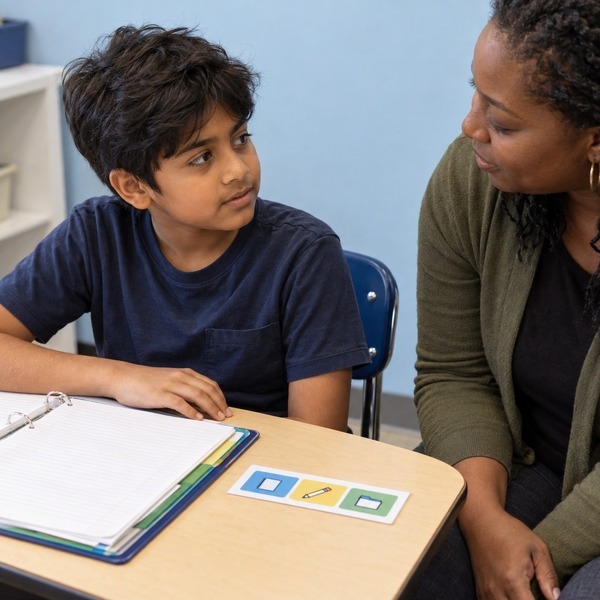
Same system. Every room.
Our team is highly trained to provide a consistent and seamless day. Students use the same routines, visual guides, and words across classes.
Our 5:1 student-to-staff ratio allows for in the moment coaching. A student who is stuck or needs a reminder always has someone there to ask.

What executive function looks like when it starts to stick.
They Start.
They make that first step with fewer reminders.
They Plan.
They break work into smaller steps.
They Adjust.
They try another way when a plan isn't working.
They Ask for help.
They ask for support and explain what they need.
Practice happens everywhere.
In math. Choose an approach before solving a problem.
In writing. Put ideas in order and decide what to write next.
In group work. Share a plan, listen, and make changes together.
Between classes. Check supplies and get ready for the next task.
Could this be the right school for your child?
Let's talk! Tell us about your child and we can talk about how executive function support works here. We want to know what you're looking for and what you hope will change in your child's day.
Frequently asked questions
Executive function skills are practiced throughout the school day. Daily Social Skills and Communications instruction supports skills students use in academic work, group activities, and transitions. Teachers provide routines, reminders, and coaching as students practice.
Ability and executive function are separate things. A bright child can still lose track of assignments, freeze at the start of a task, or run out of time. TCS teaches the skills that help your child put their ability to work.
They are the two programs that deliver daily direct instruction. Students in grades 3 through 6 attend Social Skills, which covers organization, emotional regulation, flexible thinking, and relationship building. Students in grades 7 through 8 attend Communications, which focuses on perspective-taking, conflict resolution, and self-advocacy. Both are research-based and taught by credentialed teachers and Program Coordinators working alongside the Student Support Team.
It makes real-time coaching possible. With one staff member for every five students, a teacher can prompt a struggling student the moment they stall and reinforce a good choice the moment it happens. That immediate, specific feedback is what builds durable habits.
The goal is greater independence. Students practice organization, planning, and self-advocacy with support that changes as their needs change. Family Partnership helps families use familiar strategies at home. Each student develops at their own pace. You can discuss your child’s needs during the admissions process.