
A Trusted Partner for Families and Professionals
The Craig School works closely with psychologists, therapists, educational consultants, physicians, and school teams who support students with ADHD and autism spectrum disorder, and related executive functioning challenges.
Together, we help students find an environment where they can build confidence, develop skills, and experience success.
Why TCS
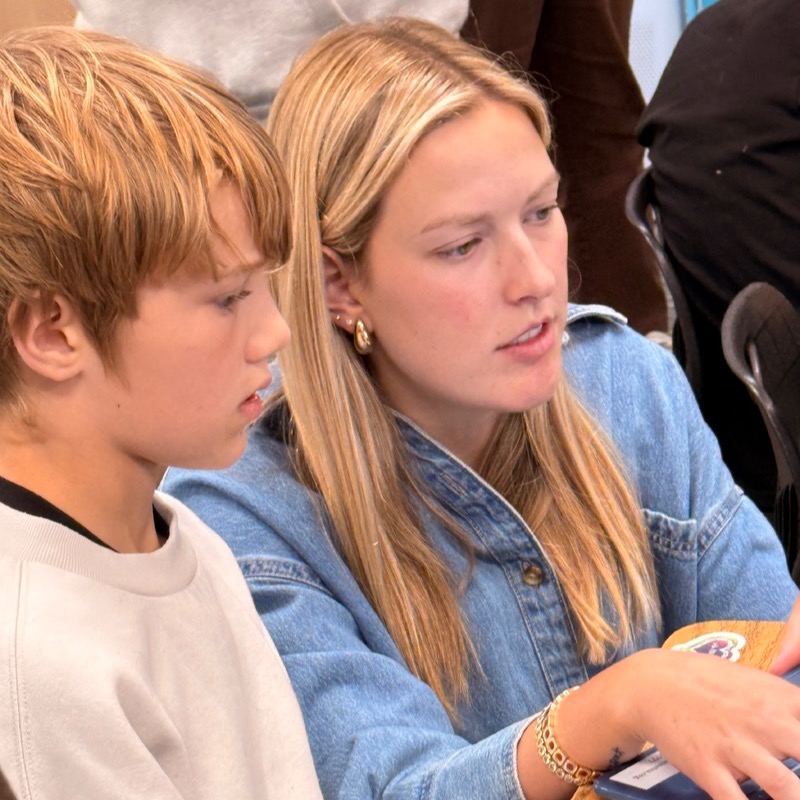
The Craig School was built specifically for students who learn differently.
Key features of our program include:
- Small class sizes
- Built-in classroom support
- Daily Social Skills & Communication
- Executive function support throughout the school day
- Research-informed practices
- Movement and experiential learning
- Strong school-home communication
Our goal is simple: help students become confident, capable, and independent learners.
Academic Excellence
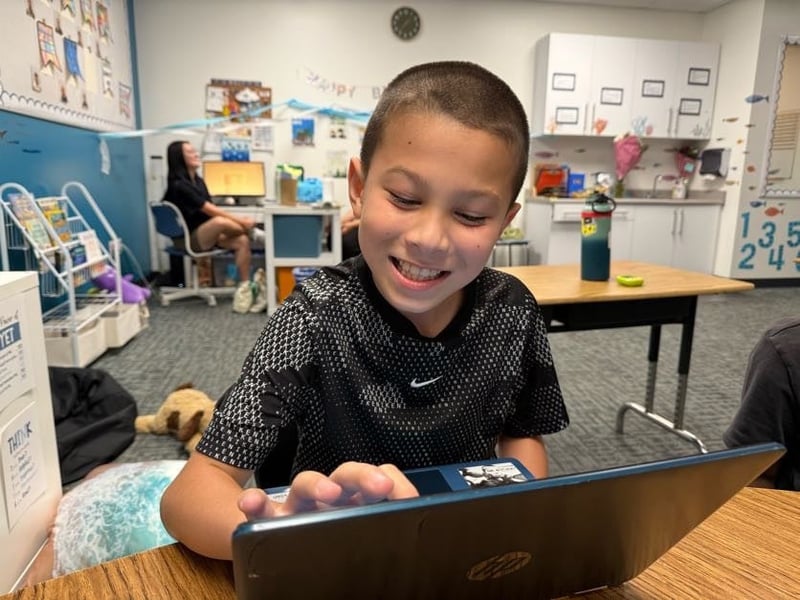
TCS continues to build on its academic program through investments in research-based curriculum, assessment, and instructional technology.
This year we rolled out:
- Amplify CKLA literacy curriculum
- mCLASS DIBELS reading assessment
- Desmos Mathematics
- mCLASS Math assessment
- Amplify Elementary Science
- Amplify Middle School Science
Our faculty and team will also have access to instructional technology and classroom tools such as Clever and GoGuardian.
Our goal is simple. Provide strong academics within a structured environment for students who learn differently.

Student Profiles
ADHD
Students who benefit from structure, organization, movement, and executive function support.
Co-occurring ADHD and ASD
Students navigating both ADHD and autism-related needs.
Autism Spectrum Disorder
Students who thrive in predictable environments, supportive classrooms, and relationship-based learning.
No Diagnosis Required
Many families know something isn’t working long before a diagnosis exists. A formal diagnosis is not required for admission.
What Makes TCS Different
At TCS, academics, behavior, and social development are integrated into one coordinated system rather than addressed separately.
Academic Program
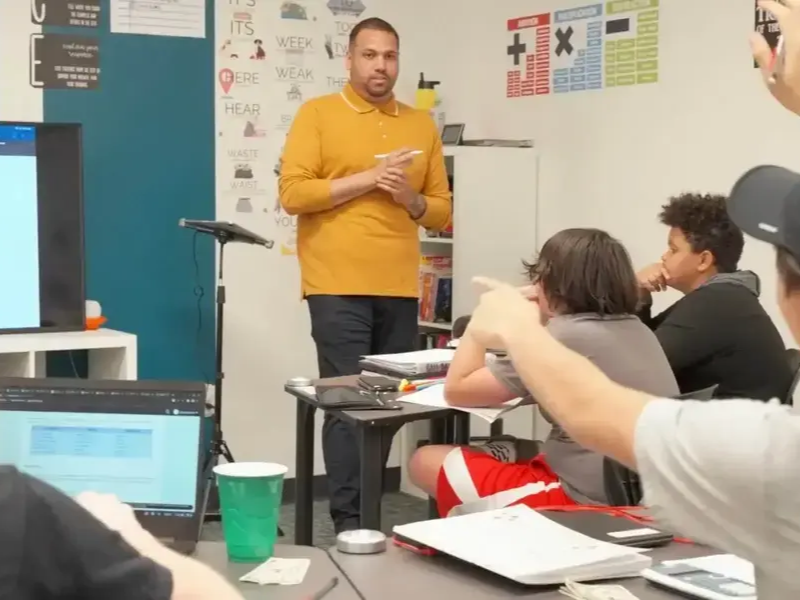
Standards-aligned instruction delivered by credentialed teachers in small classrooms.
Built-In Support
Behavioral and executive functioning support is embedded throughout the day.
Daily Social Skills
Explicit instruction in communication, self-advocacy, and peer interaction.
Collaboration
With parent authorization, we regularly collaborate with:
- Educational consultants
- Psychologists
- Neuropsychologists
- Therapists
- Occupational therapists
- Speech-language pathologists
- Pediatricians
- School district teams
Our shared goal is helping students succeed across environments.
Understanding ADHD in Girls & Women
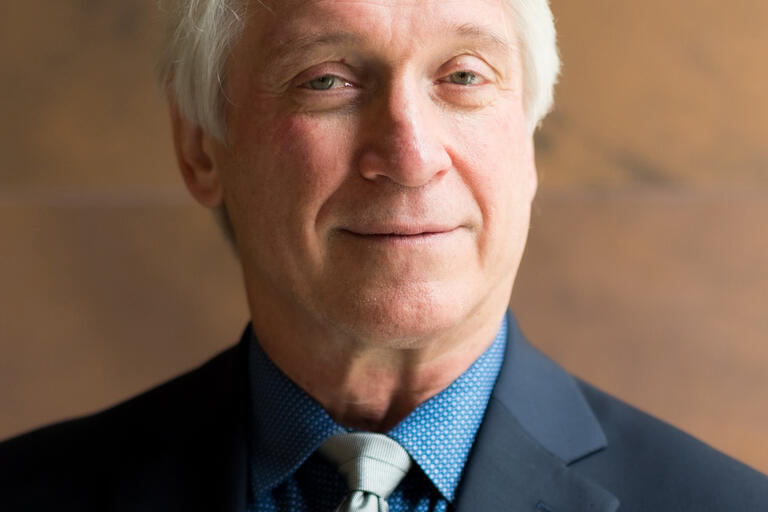
In March 2026, The Craig School welcomed internationally recognized ADHD researcher Dr. Stephen Hinshaw for a special presentation on ADHD in girls and women.
The discussion explored why girls are often overlooked, how ADHD presents differently in females, and what families and educators can do to better support these learners.
A model with deep roots
The Craig School grew out of a long-running program at UC Irvine focused on students with ADHD and related learning differences.
When the university program ended in 2019, a core group of educators, staff, and families carried that experience forward and established The Craig School as an independent nonprofit school.
Today, our model continues to evolve. Current research and evidence-informed practices shape our approach to academics, executive function, attention, social learning, communication, assessment, and student support.
For professionals working with children and families, that distinction matters.
TCS is not a clinical or therapeutic program. We are a school. Students receive strong academic instruction within an environment intentionally designed to address many of the executive function, attention, communication, and social-learning challenges that can interfere with success in a traditional classroom.
Schedule a visit to TCS
The best way to understand The Craig School is to experience it firsthand. We welcome educational consultants, psychologists, therapists, and other professionals to learn more about our program and how we support students. You can also call us at (949) 812-6222 Ext. 13 or email admissions@thecraigschool.org.