Support in the Moment
At most schools, support arrives after the fact. After the missed assignment. After a hard day has already compounded into something harder.
At The Craig School, support does not wait for a problem to surface. It is built into the structure of every class, every routine, and every moment of the day.
Proactive, Not Reactive
Reactive support sends a quiet message to a child: help comes only when things fall apart.
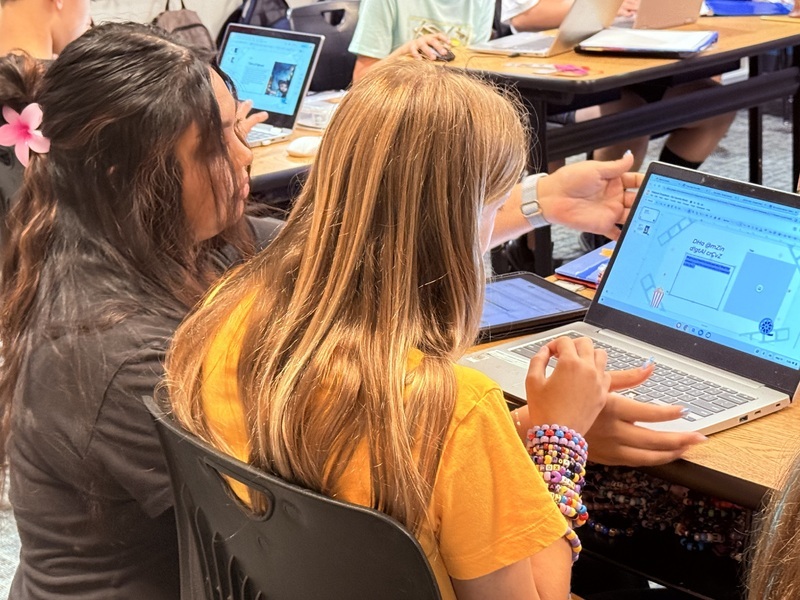
TCS is built on the opposite principle. Support is present before a struggle begins. A cue at the start of a task. A word of redirection mid-lesson. Predictable routines your child can rely on.
These are not interventions. They are how the day is designed. Your child does not have to earn support by struggling first.
What the Ratio Looks Like in Practice
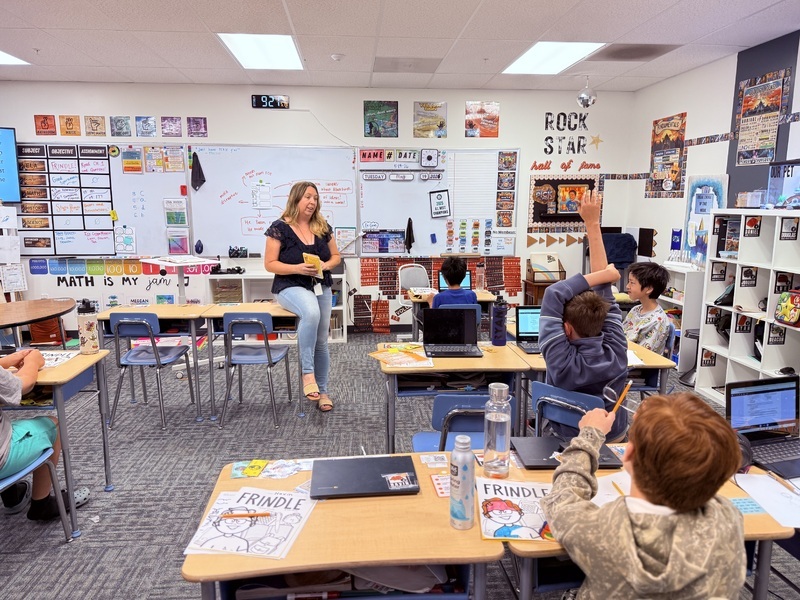
TCS maintains an average of one staff member for every five students. Class sizes are capped at 15.
In practice, that ratio changes what school looks like:
Your child is known.
Feedback is immediate.
Struggles get caught early.
No student gets lost.
A Teaching Team in Every Room
Support at TCS is not one teacher stretched thin across a room full of competing needs.
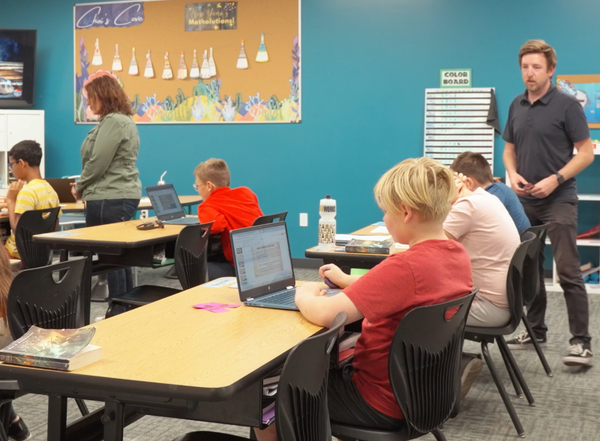
Each classroom is led by a California credentialed teacher. Program Counselors work alongside them throughout the day, providing academic coaching, executive functioning support, and social-emotional guidance in active partnership with the Student Support Team.
While one adult teaches, another can coach a student through a difficult moment. Instruction keeps moving. Help stays in the room.
Progress Recognized Throughout the Day
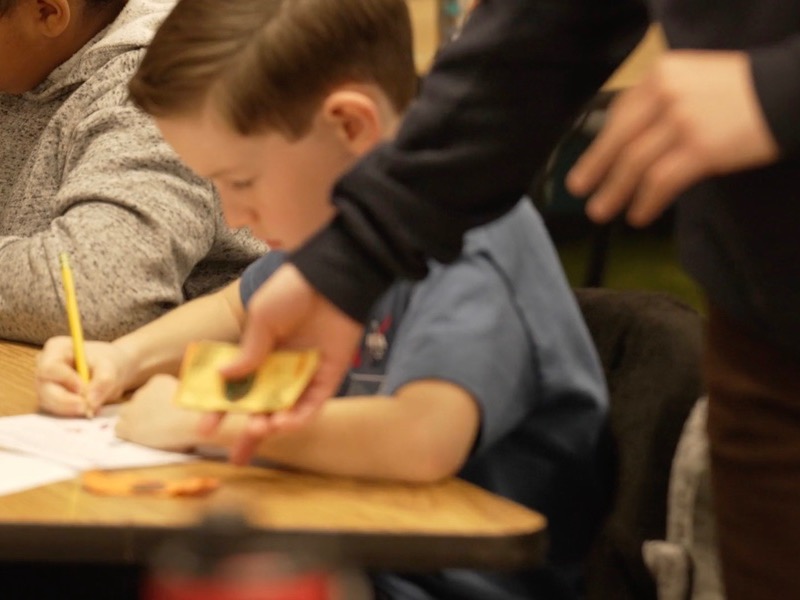
Students who learn differently benefit from frequent, concrete feedback. TCS builds that into every school day through the Daily Growth and Reinforcement System.
Students earn points across four skill areas:
- Following Directions. Listening, starting tasks, and responding to guidance with growing independence.
- Staying Engaged. Focusing, participating, and bringing consistent effort.
- Working Well with Others. Communicating respectfully, managing emotions, and cooperating with peers.
- Contributing to a Positive School Community. Helping sustain a space where learning is possible for everyone.
The system is designed to catch what students do right, repeatedly, until those behaviors become habits. It is not a behavior-management tool. It is a daily feedback loop built around skill development.
Feedback That Reinforces Growth
Recognition runs on two rhythms.
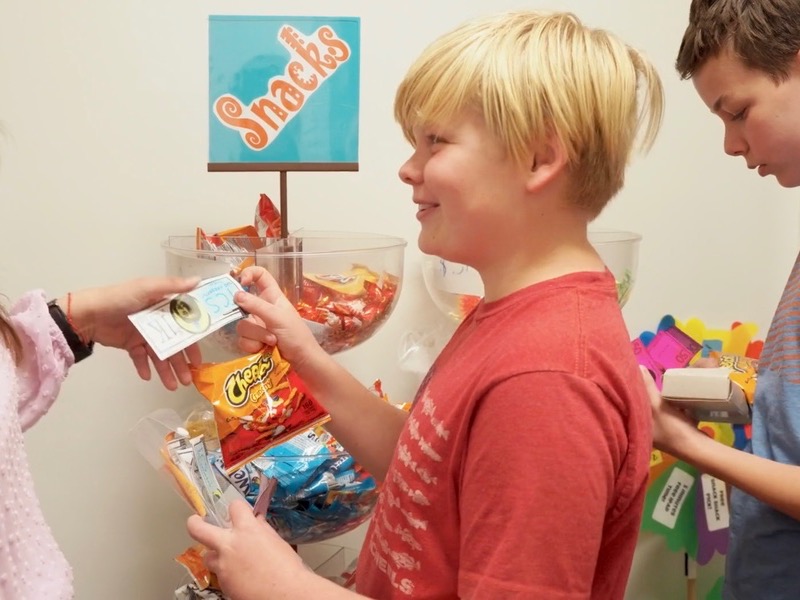
Daily. At the end of each school day, a student's points shape their reinforcement time. The day closes on effort and progress, not on a single hard moment.
Weekly. Students who meet their weekly goal take part in Fun Day Friday, a one-hour structured activity with options drawn from student suggestions — building ownership into the system itself.
Both rhythms emphasize growth over any single outcome. Every school day resets. That design reflects how capable students with ADHD and executive functioning challenges actually build new habits: over time, through consistent practice.
Built In, Not Bolted On
At most schools, support is delivered through pull-outs, resource periods, or separate tracks. Whatever the name, the message to the student tends to be the same: you are not quite part of this room.
TCS is structured differently. Support is not a program layered on top of the school day. It is what the school day looks like.
Your child does not leave the room to get what they need. The room is built so they already have it.
Support is not an add-on. It is the architecture.
Is TCS the Right Fit for Your Child?
If the model described here fits how your child learns, the next step is a direct conversation. Tell us about your child's history, what has not worked, and what you are looking for. We will give you an honest read on fit.