Your child is capable. Is TCS the right fit?
The Craig School serves students in grades 3–8 with ADHD, autism, and executive functioning challenges. They have the ability to learn, but staying organized, navigating friendships, or managing the school day can get in the way.
For some, school has become exhausting. Confidence has slipped, and getting through the day takes more effort than anyone sees.
TCS brings academics, structure, and support together throughout the day. We’ll help you understand whether that approach fits your child.

Strong matches for our program are:
Capable but inconsistent
Working too hard just to get through the day
Ready for a different environment
What needs to be true.
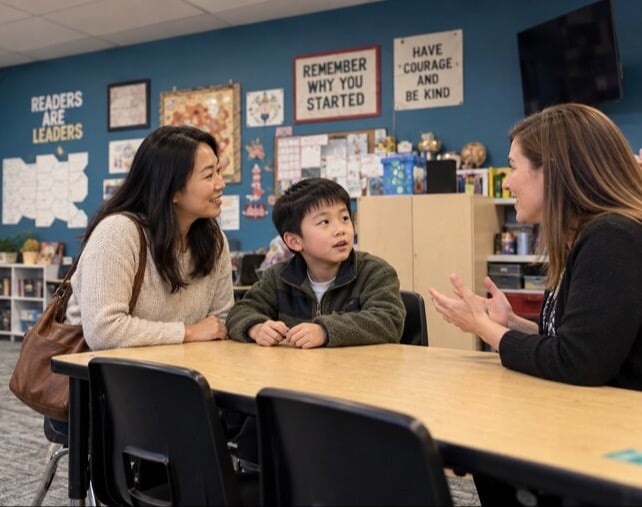
Students should be able to participate in a classroom of up to 15 students with shared staff support and in-the-moment coaching. They do not need to have everything figured out. Building independence is part of the work.
TCS does not provide continuous one-to-one assistance. If your child currently uses a full-time aide, we’ll discuss the support they need and whether our setting can provide it.
When are accommodations enough?
A useful question is whether your child can learn and participate with the support their current school provides.
Ask the school what is being tried, how consistently it happens, and how progress is measured. Look at more than completed assignments. Can your child begin a task, ask for help, recover from a difficult moment, and connect with classmates? What does the school day leave them feeling when they get home?
If support is helping and progress is clear, staying may be the right choice. If the same difficulties continue, it may be time to compare different learning environments. Your child’s teachers and support team can help you understand what is happening.
The Craig School offers one option in Irvine, California, for students in grades 3–8. We start with a conversation about your child and whether our setting can provide what they need.

When the environment fits, more becomes possible.
They Participate.
They join in, contribute, and engage in learning.
They Recover.
They move through challenges with greater confidence.
They Connect.
They build genuine relationships with peers and adults.
They Advocate.
They understand their needs and speak up for what helps.
Honest admissions is part of the model.
TCS serves students who can participate in a small classroom community and build independence with support. We do not provide continuous one-to-one assistance.
What should we ask when comparing schools?
Ask each school to describe a normal day for a student whose needs resemble your child’s.
- What academics would my child study, and how would instruction match their current skills?
- How do adults teach organization, task initiation, and self-regulation during lessons?
- When and how are social skills and communication taught?
- What happens when a student needs help returning to learning?
- How many students and adults are in the classroom my child would join?
- What will you share with our family, and how will we work together?
- How do you measure progress and change support when something is not working?
- Which needs can your program support, and which require a different setting?
At TCS, those conversations connect to four pillars. Academics, Executive Function, Social Skills & Communications, and Family Partnership work together throughout the day. Ask us to show you how they would apply to your child.
“The hardest thing as a parent...”
A TCS PARENT TALKS ABOUT LIFE IN A TRADITIONAL SCHOOL ENVIRONMENT BEFORE THE CRAIG SCHOOL.
Hear from families at TCS
"TCS gave our son the structure and support he needed to believe in himself again. We finally saw him enjoy school."
Parent of a 6th grade student
What does that look like during the school day?
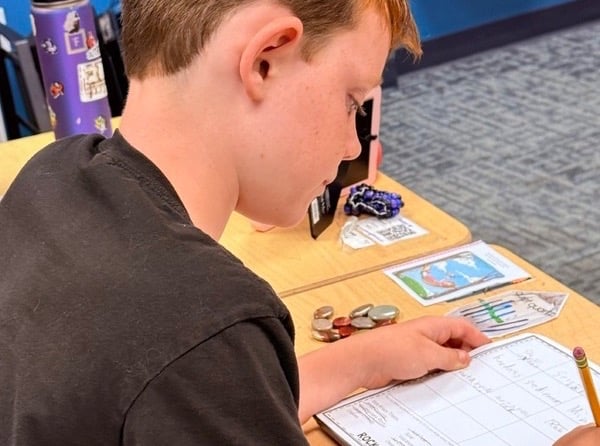
A student beginning a writing assignment may need help understanding the lesson, planning the first step, and asking a classmate or adult for support. Those needs can happen at the same time.
Our integrated model brings academic teaching, executive function practice, and social learning into the school day. Family partnership helps connect what is being practiced at school with routines at home.
TCS has a 5-to-1 student-to-staff ratio and classes of up to 15 students. Shared classroom support is different from continuous one-to-one assistance. We will talk honestly about whether your child’s needs fit this setting
Let's talk about your child.
The best way to determine whether The Craig School is the right fit is a conversation. We'll learn about your child, answer your questions, and help you decide whether our program aligns with your family's needs.
You do not need a formal diagnosis or a finished plan before reaching out. Tell us about your child, what is working, and what has been difficult. We will help you explore whether The Craig School in Irvine is a good fit.