
A school that’s research-informed.
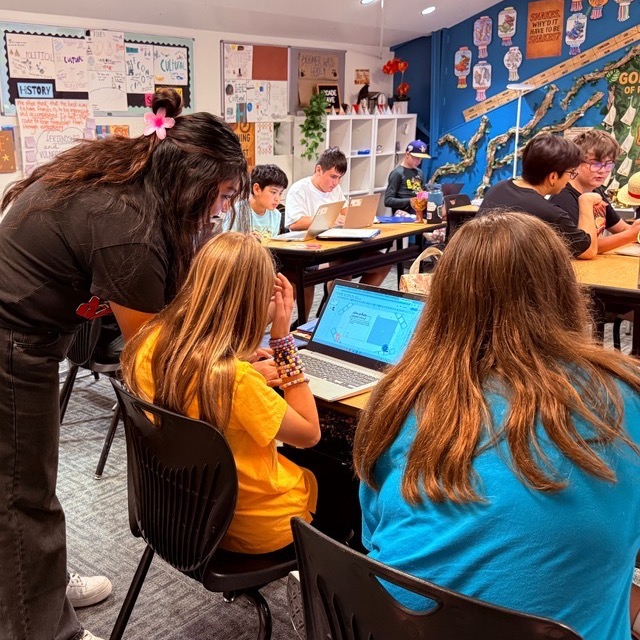
The Craig School was built on more than 35 years of experience supporting students with executive functioning challenges, including those with ADHD and autism spectrum disorder, as well as students who have not found the right fit in traditional school.
Our roots trace back to UC Irvine Child Development School, where researchers and educators worked to better understand how students learn, grow, and succeed.
Today, that spirit of inquiry remains part of who we are.
We continue to ask an important question:
How do we help students thrive?


Built on experience.
Long before The Craig School opened its doors in 2019, our team was helping students and families through research-informed programs focused on ADHD, learning differences, and student success.
That experience shaped many of the practices that continue to define TCS today:
- Built-in classroom support
- Small learning environments
- Executive function development
- Daily Social Skills & Communication
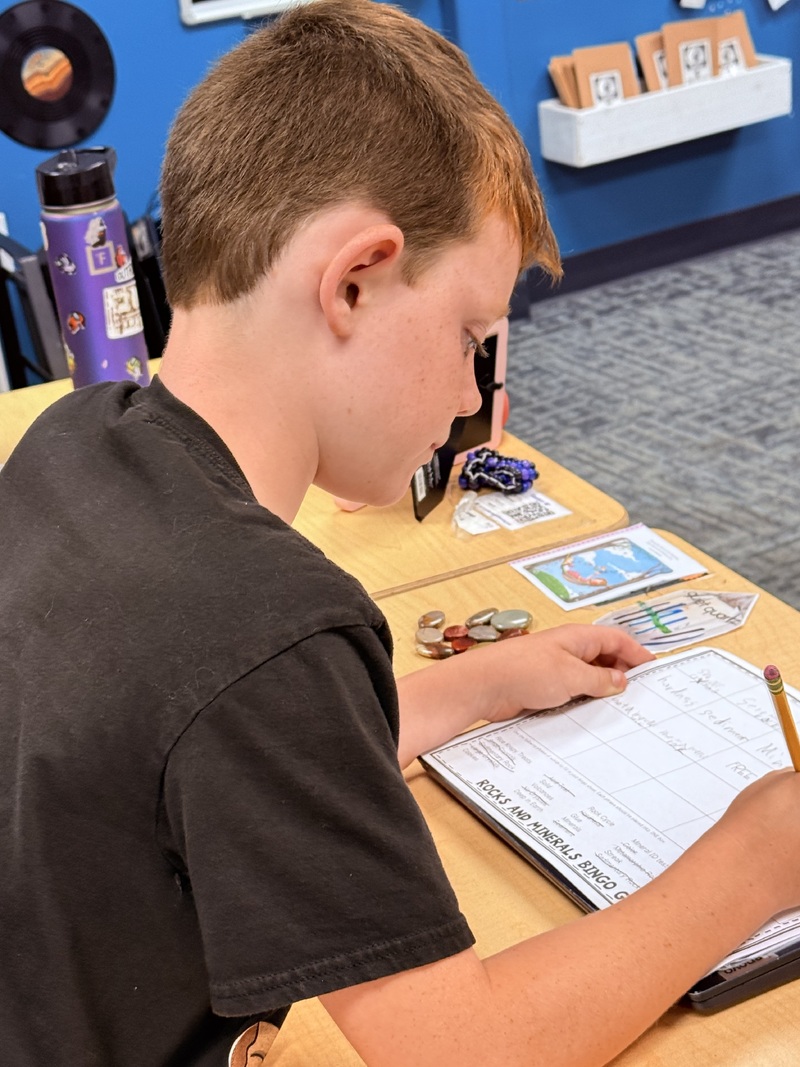
- Movement and experiential learning
- Strong family partnerships
Understanding how students learn.
Every student learns differently.
At The Craig School, instructional decisions are informed by what we know about learning, attention, motivation, executive functioning, and child development.
This doesn’t mean every student learns the same way.
It means we continually adapt our approach to meet students where they are while helping them grow toward greater independence and confidence.
Assessments and data.
Great schools don’t rely on assumptions.
They look at evidence.
As part of our commitment to continuous improvement, The Craig School is expanding its ability to collect, review, and analyze meaningful student data.
This work helps us better understand:
-
Academic growth
-
Student engagement
-
Executive functioning
-
Social development
-
School readiness
-
Long-term student success
The goal is not data for its own sake.
The goal is using information to better support students and improve outcomes.
Community experts.
The Craig School regularly hosts researchers, educators, and thought leaders who help families better understand ADHD, executive functioning, learning differences, and student success.
In March 2026, we welcomed internationally recognized ADHD researcher Dr. Stephen Hinshaw for a special presentation on ADHD in girls and women.


Continuous learning.
The Craig School is committed to ongoing research, program evaluation, and professional learning.
Future initiatives include:
- Expanded student outcome reporting
- Program effectiveness studies
- Educational research partnerships
- Grant-funded innovation opportunities
- Data-informed instructional improvements
As we continue to grow, our commitment remains the same:
To provide students with an environment where they can build confidence, develop skills, and experience success.
A focus on outcomes.
The Craig School was founded on the belief that students learn best when schools are willing to understand them.
That belief continues today.
By combining decades of experience, educational psychology, research-informed practices, and meaningful student data, we continually evaluate how we can better support the students and families we serve.
Our goal is not to collect data for its own sake. Our goal is to use what we learn to strengthen instruction, improve student outcomes, and ensure every child has the opportunity to grow in confidence, independence, and academic success.