What is Science of Learning?
Science of Learning is not a program students attend.
It is the framework behind how the school operates.
SOL brings together research, data, observation, and experience to guide daily practice. It helps answer a practical question that matters in real classrooms:
What is helping students learn, regulate, and grow right now?
This approach allows the school to move beyond intuition alone and toward practice that is flexible, responsive, and grounded in evidence.
Our Science of Learning Lab (SOL)
The Science of Learning lab is embedded within the school itself and led by Dr. Sabrina Schuck, Executive Director and Chair of the Scientific Advisory Board at TCS.
SOL is supported by a dedicated research team and collaborating investigators that includes undergraduate and graduate-level interns from UC Irvine, UC Riverside, and other local universities. At any given time, multiple research projects and programmatic evaluations are underway, focusing on areas such as attention, self-regulation, physical activity in the learning environment, and contributing factors to student growth.
This work happens alongside and in tandem with instruction, not after the fact. Results inform classroom as they operate in real time, guiding best practice that is effective for our learners.
How SOL Shows Up Day to Day
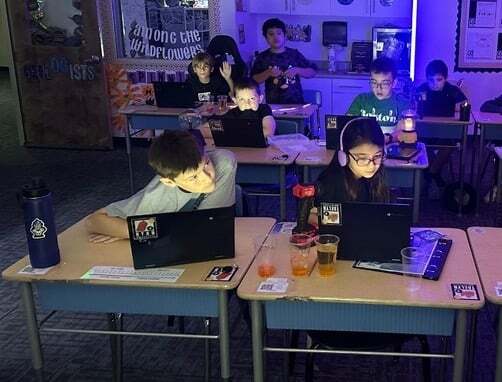
Science of Learning is part of the daily rhythm of the school.
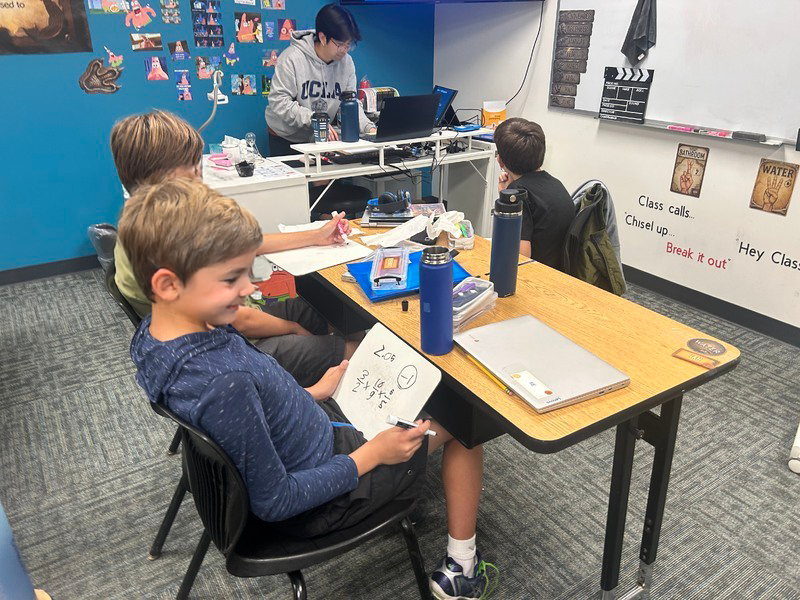
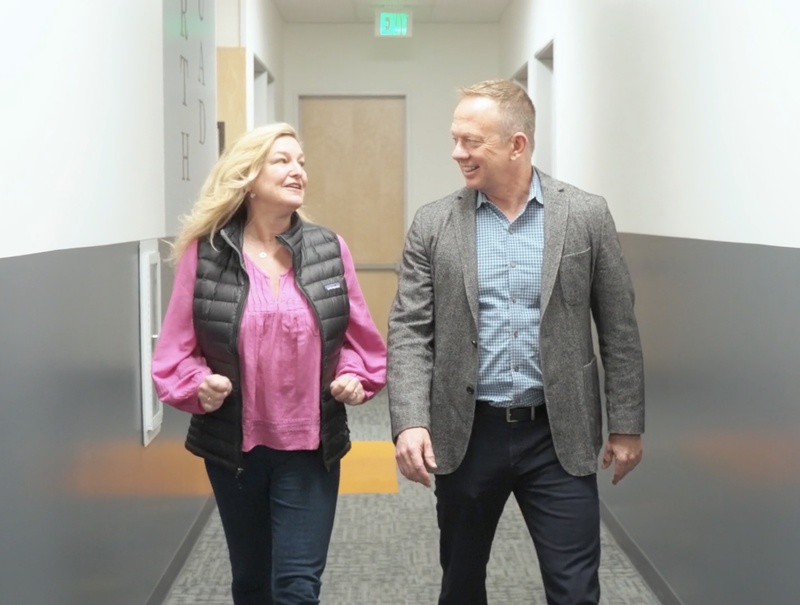
Staff meet weekly to review student engagement, targeted behaviors, and patterns related to self-regulation and learning. Shared measures are used to track progress over time and to identify when supports should be adjusted.
Decisions are made collaboratively and deliberately, based on what the data and classroom observations show.
Data With a Human Purpose
Data is never used to label or limit students.
It is used to understand patterns, evaluate strategies, and guide next steps. When an approach is working, the school builds on it. When something is not effective, it is reviewed and refined.
This protects students from one-size-fits-all solutions and keeps support aligned with individual needs.
Continuous Improvement, Not Experimentation
Students are not part of experiments.
The school relies on established, research-informed practices and continuously evaluates how they function in real classrooms with real students. SOL exists to strengthen what already works and to evolve responsibly as students grow and needs change.
Why This Matters for Families
Many families arrive after years of trial and error in school environments that were not designed for how their child learns.
SOL offers reassurance that decisions here are intentional, revisited, and grounded in evidence. It also ensures the school does not remain static. As students change, the program changes with them.