

Support That’s Built-In From the Start.

At most schools, support arrives after a student has already struggled. A pull-out. A referral. A consequence. At TCS, support is built into the structure of every hour. It doesn't wait for failure. It's there before the frustration peaks, during the challenge, and as the student works through it.

This is not intervention. It is design.

Student with Support

Clear Expectations, Shared Language

Students learn best when expectations are clear.

Across classrooms, we use shared language and predictable systems to reinforce:

  • Following directions
  • Staying engaged in tasks
  • Managing frustration
  • Communicating respectfully
  • Working cooperatively

Expectations are explicit. Feedback is immediate. Growth is gradual and reinforced over time.

Students Listening and Working

The Token Economy System

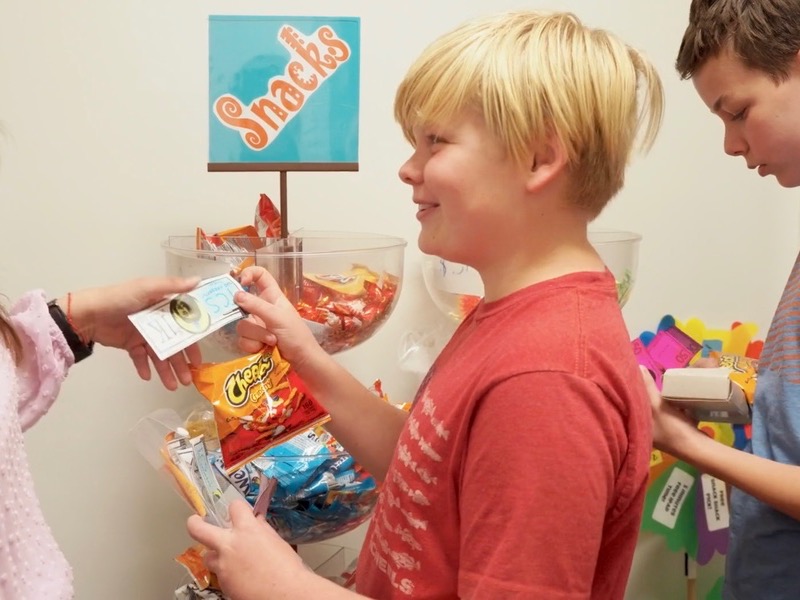
We use a structured token economy — a research-backed reward system with deep roots in ADHD behavioral science — to make expectations visible and give students immediate, consistent feedback on their progress.

Students earn points throughout the day for demonstrating targeted behaviors such as productivity, cooperation, and self-regulation. These points can be exchanged for structured privileges or activities.

This system:

  • Makes expectations visible
  • Provides immediate feedback
  • Builds motivation through success
  • Helps students connect effort with outcome
It is not about punishment.
It is about skill-building.
 

Over time, many students internalize these behaviors and rely less on external reinforcement.

Reward payment

Real-Time Support in the Classroom

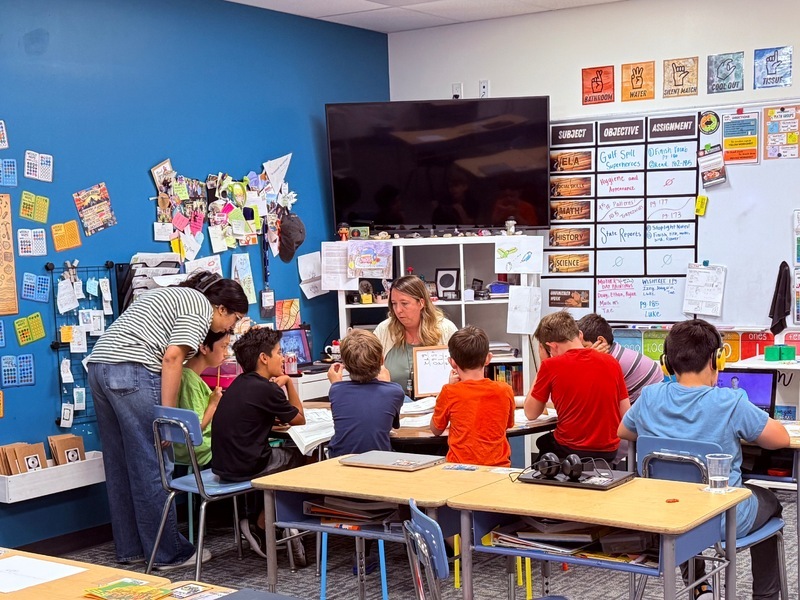
Each classroom includes a credentialed teacher and two trained student support team members.

This staffing model allows students to receive support immediately when challenges arise without leaving the learning environment.

Support may include:

  • Prompting and redirection
  • Break planning
  • Coaching through peer conflict
  • Structured reset time
  • Individual goal tracking

The goal is regulation within community.
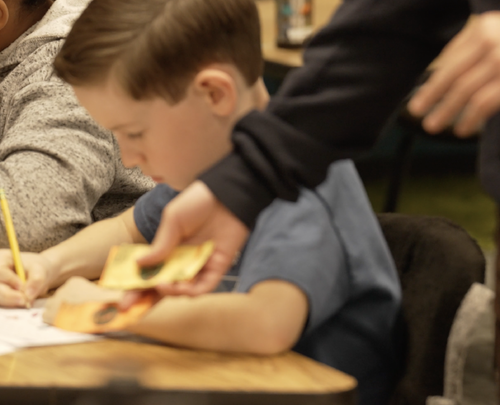
Student Receiving TCS Bucks

Regulation Is Taught, Not Assumed

Many students arrive knowing they are “in trouble,” but not knowing what to do differently.

At TCS, students are explicitly taught:

  • How to recognize early signs of frustration
  • How to ask for a break appropriately
  • How to repair after conflict
  • How to reflect and try again
Mistakes are treated as learning opportunities.
Accountability exists without shame.
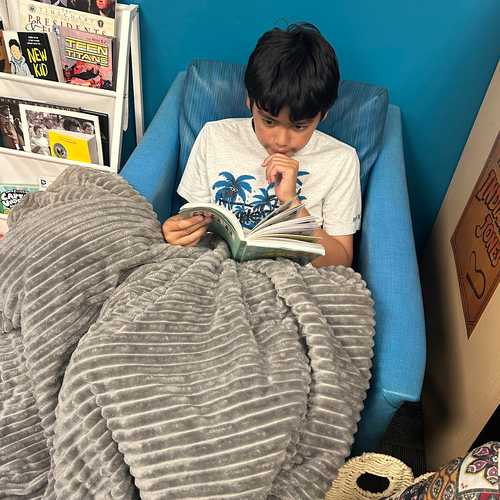
 

Student sitting comfortably and reading

Evidence Informed. Always Student Centered

Behavioral goals are tracked using shared measures reviewed weekly by staff through SOL, our Science of Learning lab.

Data is used to:

  • Identify patterns
  • Adjust supports
  • Measure progress over time
It is never used to label students.
The goal is continuous improvement, not rigid compliance.
three puzzle pieces photographic style one is our dark grey one is our orange and one is our green close up on a table One has white letters that says-2

What This Means for Students

Over time, students build:

  • Greater self-awareness
  • Improved impulse control
  • Stronger peer relationships
  • Increased independence
  • Confidence in their ability to succeed
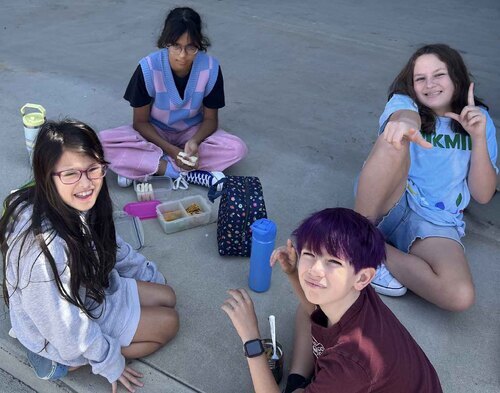
Lunch copy-1

Want to understand how this approach would support your child?

Behavioral Support Frequent Questions

Is TCS a school for students with serious behavioral problems?

No. TCS serves students whose ADHD, executive functioning challenges, or related needs make traditional school environments difficult — not students with severe behavioral disorders or clinical treatment needs.

Most of our students are capable, motivated, and academically sound. They need the right structure, not a therapeutic program. Our admissions process is designed to ensure this distinction carefully.

Is this Applied Behavior Analysis (ABA)?

The Craig School uses evidence-based behavioral principles, but we are not an ABA clinic. Our model is school-based, integrated into academics, and focused on skill-building within community.

What happens if my child has a difficult day?

Difficult days are expected. Staff provide structured support, reflection, and repair. Families are informed when appropriate. The goal is growth, not punishment.

Will my child become dependent on rewards?

For many students, structured reinforcement is temporary. As skills strengthen, external rewards are gradually reduced and internal motivation increases.

Do students ever lose points?

The system is designed to reinforce positive behavior rather than focus on loss. Students may not earn points during certain periods, but the emphasis remains on forward progress.

Back to top
