A Purpose-Built Campus
This is not a repurposed traditional campus.
The school occupies a dedicated 14,000 square foot second-floor space designed specifically for students in grades 3 through 8. From arrival to dismissal, the environment supports predictability, movement, privacy, and connection.
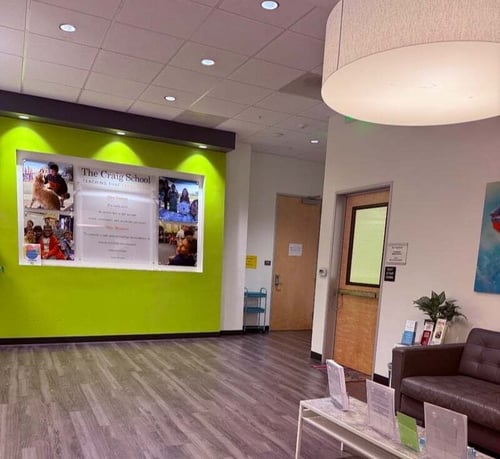
Families and visitors enter through a reception area that separates administrative offices from student learning spaces. This creates a calm, professional entry point while preserving the rhythm of the school day.
Once inside, the layout opens into learning zones rather than long corridors of closed doors.
The Quads
The school is organized into two primary learning communities.
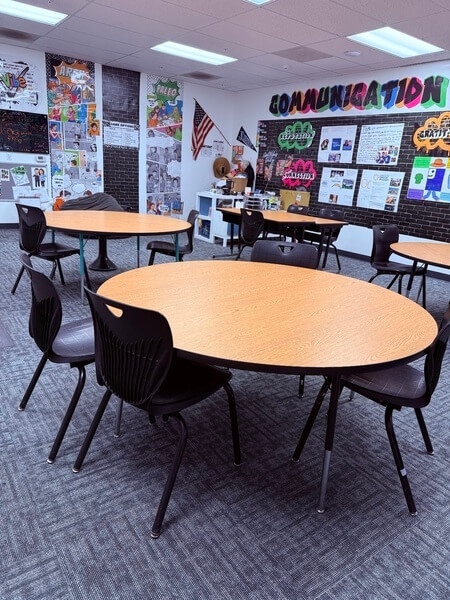
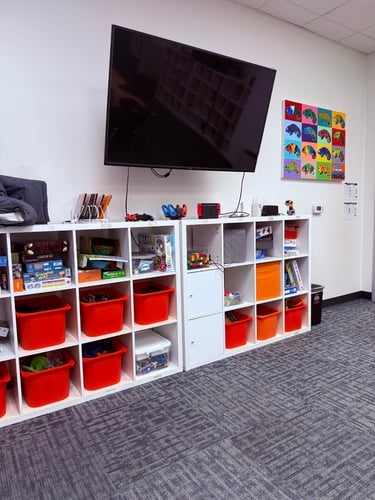
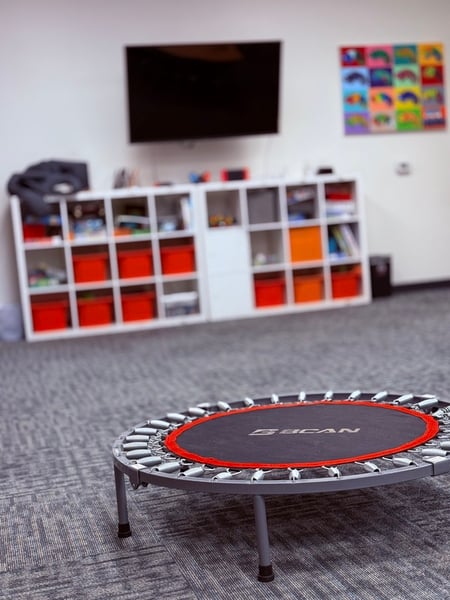
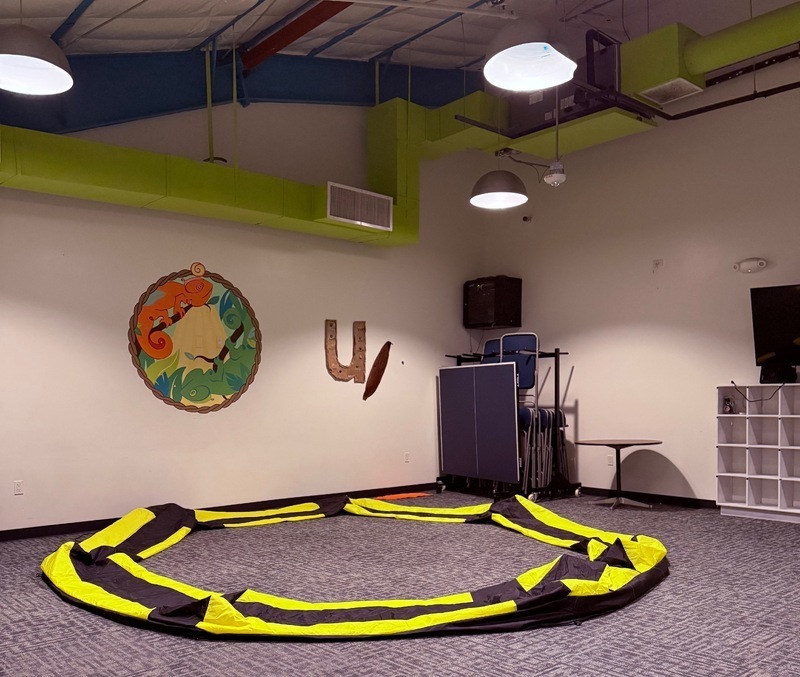
Each quad is built around a large central commons area. These shared spaces include comfortable seating, bean bags, games, puzzles, and age-appropriate technology. They are designed to support regulation, connection, and structured downtime throughout the day.
Surrounding each commons are four classrooms and private student bathrooms. This mirrored design creates consistency across grade levels and reduces cognitive load caused by unfamiliar layouts.
Regulation Is Built In
Support is not something students earn or lose.
Each classroom is led by a credentialed teacher and supported by two trained behavioral support team members. This staffing model allows students to receive support in real time, without being removed from learning or singled out.
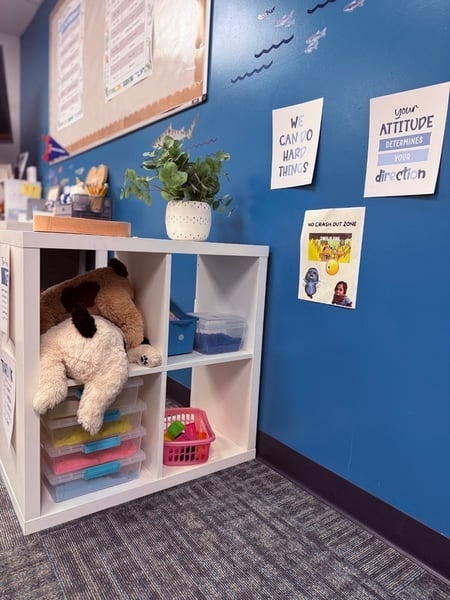
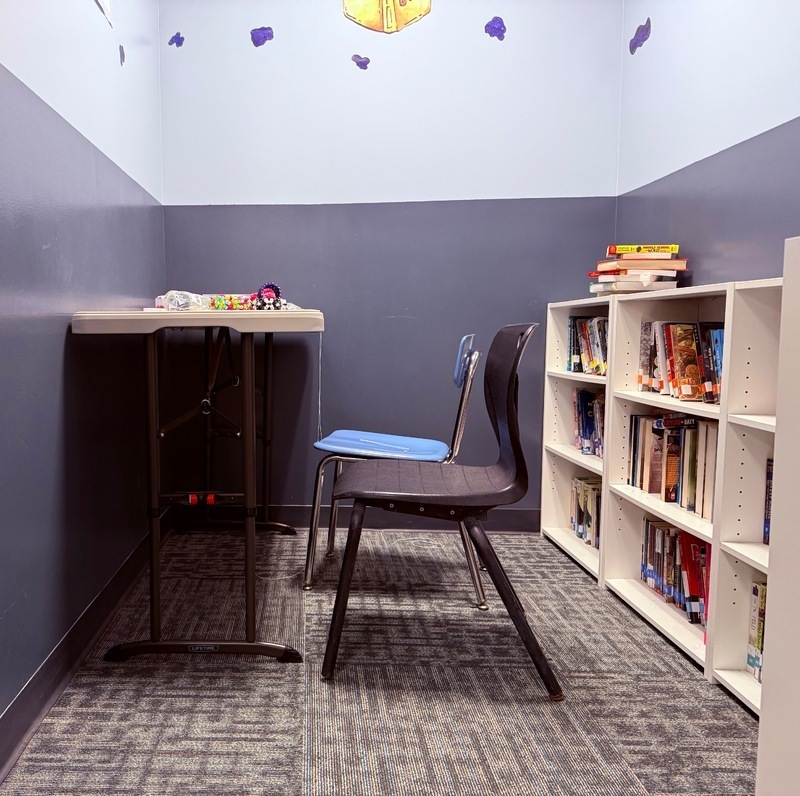
Students may use movement, quiet space, adult support, or grounding tools depending on what they need in the moment. Regulation options are available to all students and normalized as part of daily school life.
Support happens early, calmly, and consistently.
Classrooms With Insight Built In
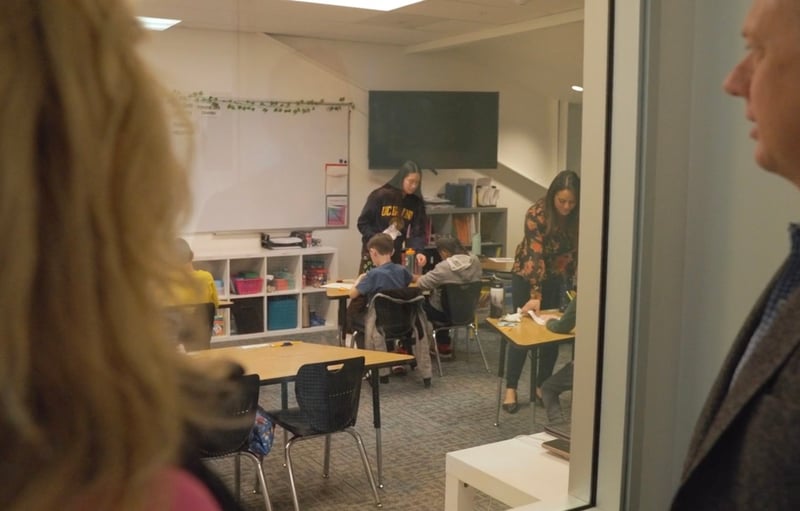
Each classroom was designed with Insight Rooms, observation spaces located between classrooms with tinted windows.
These rooms allow for thoughtful observation by teaching teams, behavioral staff, and the Science of Learning Lab. They are also used when outside observation is required for IEPs or district collaboration.
Observation happens without disruption. Support is informed by what is actually happening in the classroom, not assumptions or secondhand reports.
Outdoor Learning and Movement
Students have access to a fenced outdoor area that includes lunch tables, basketball hoops, soccer nets, and open space for movement. While part of a shared property, this area functions as a dedicated student space during the school day.
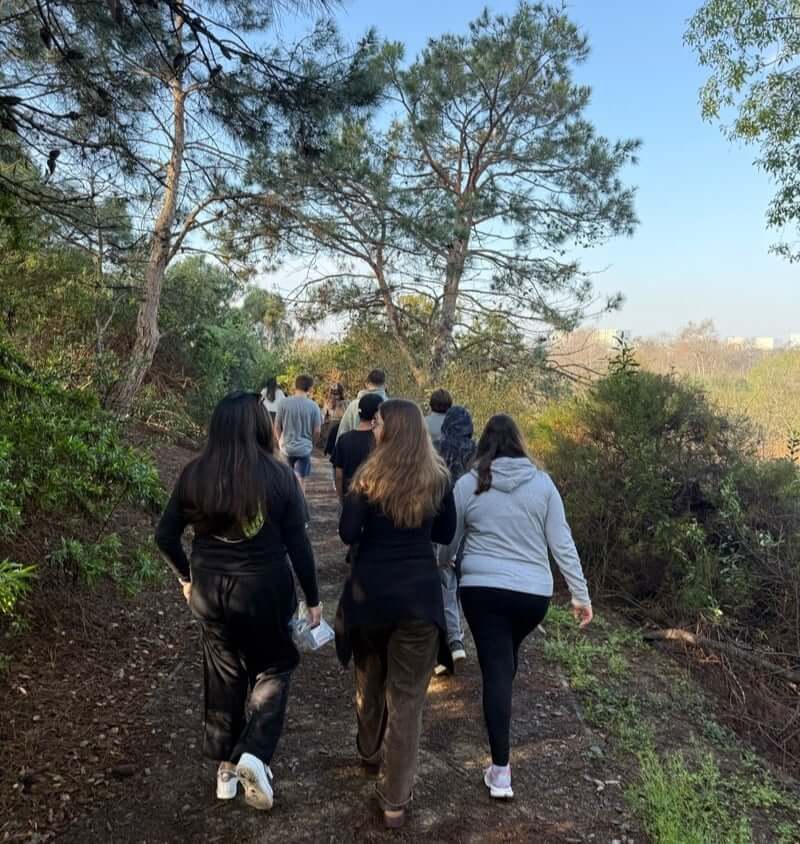
A secure gate opens directly onto the San Diego Creek trail, creating access to a natural learning environment just steps from the school.
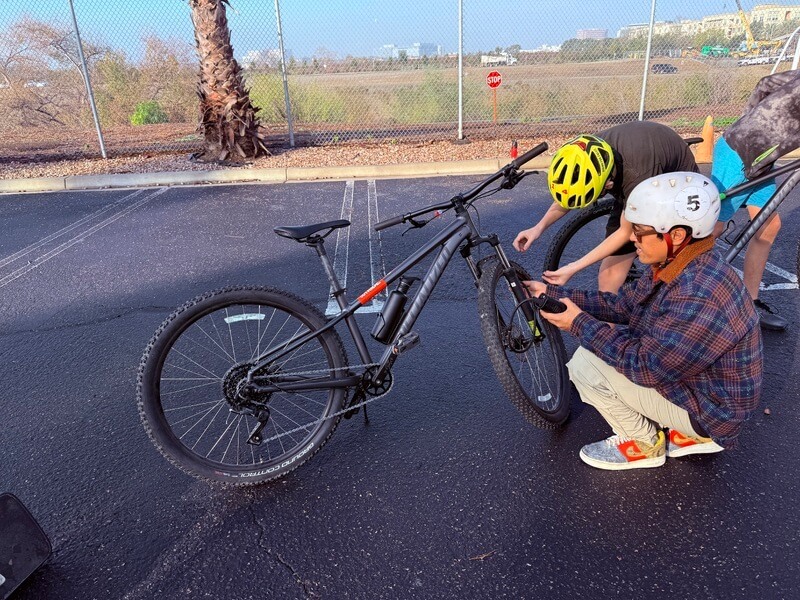
This connection supports science activities, nature walks, and Riding for Focus, the school’s research-based cycling program developed through the Outride initiative.
The Science of Learning Lab in Action
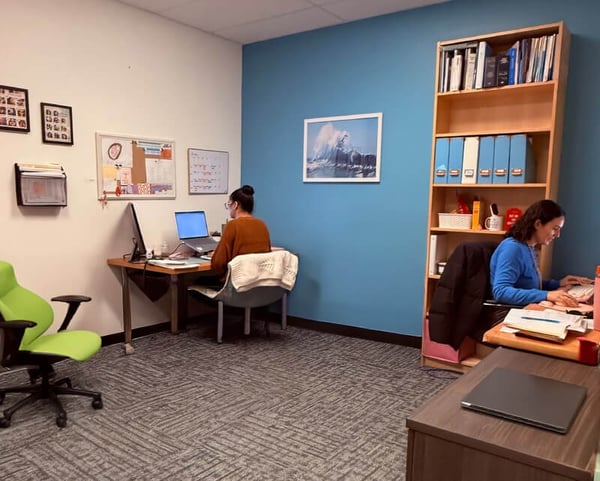
Administrative offices include a dedicated research and intern workspace that serves as the hub for the Science of Learning Lab.
At any given time, six to fifteen graduate-level interns work at TCS supporting classrooms, collecting data, analyzing outcomes, and collaborating with staff. This allows research, observation, and reflection to happen within the daily life of the school.
The environment supports learning not only for students, but for the adults who support them.