
For the girl who holds it together at school and falls apart at home.
Girls with ASD, ADHD, and AuDHD are diagnosed later, misdiagnosed more often, and placed in settings that weren't built for them. The Craig School was. TCS serves girls in grades 3-8 who are capable, complex, and exhausted from working twice as hard in an environment that doesn't match how they're wired.

No pressure. No commitment. Just a real conversation about your daughter.
Now enrolling for 2026–27.
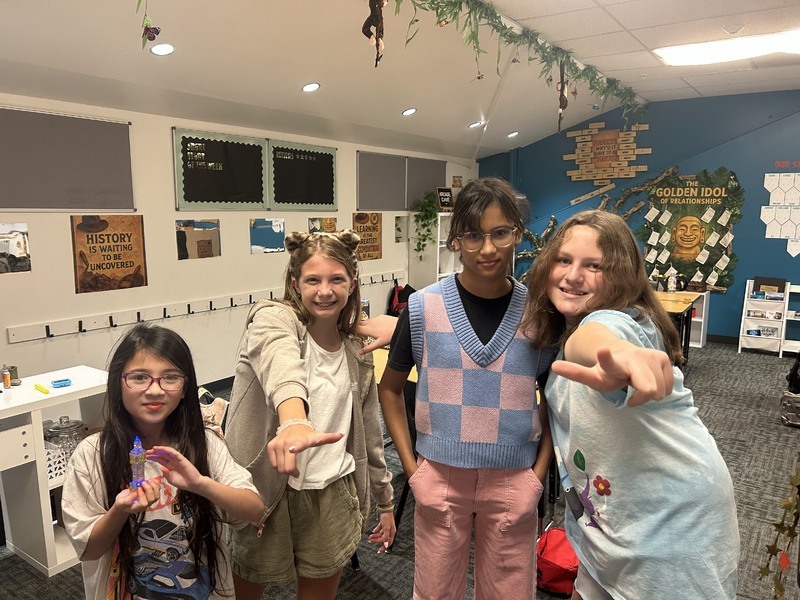
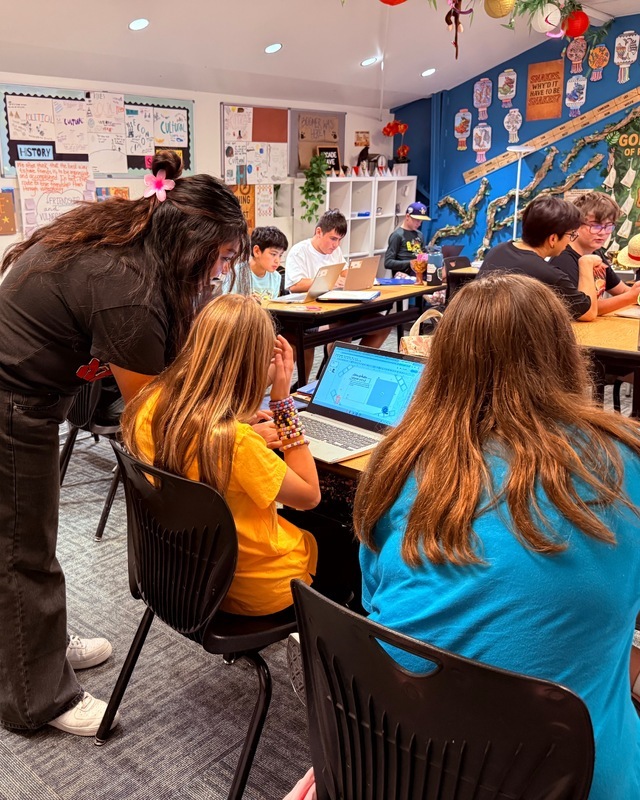
Girls with ASD and ADHD are missed. Here's why.
The clinical picture of ADHD and autism was built almost entirely on research conducted on boys. Girls present differently. Most schools, most teachers, and many clinicians aren't trained to recognize it.
Girls with ASD often don't look like the textbook. They're socially motivated in ways that mask their difficulties, mimicking behaviors they've studied rather than naturally understanding them. They hold it together at school with enormous effort, then dysregulate at home when the performance is finally over. Teachers describe them as "anxious," "sensitive," "perfectionistic" -- words that describe the symptoms without naming the source.
Girls with ADHD often present as inattentive and internally distractible rather than hyperactive and disruptive. They seem dreamy, slow to respond, lost in their own thoughts. Easily read as not caring. The reality is usually the opposite.
The result: girls who are clearly struggling get told to try harder, see a therapist, or wait it out. They don't get better because no one identified what was actually happening.
If your daughter is struggling in ways that traditional school hasn't explained, you're in the right place.
By the time families find us, most have already tried something. Accommodations. Tutoring. Therapy. The school said she was doing fine. You knew she wasn't.
| Exhausted at the end of every school day in ways that don't match what actually happened there |
| Described by teachers as "anxious," "sensitive," or "a pleasure to have in class" while you watch her unravel every evening |
| Performing adequately at school while falling apart at home. The gap between school-face and home-face is wide |
| A recent diagnosis (or growing suspicion) of ASD, ADHD, or AuDHD that finally explains a lot but doesn't tell you what to do next |
| Social difficulties that look different from boys. Exclusion, shifting friendships, emotional intensity in relationships |
| A feeling that traditional school is taking more out of her than it's giving back |
She has been working harder than anyone knows.
And she deserves an environment that works just as hard for her.
5:1
Every classroom.
Every day.
35 Years
UC Irvine research behind TCS
Daily
Social skills instruction.
Not occasional.
93%
Of 8th graders return to traditional school
"This school has given her confidence, academic growth, and a genuine sense of belonging."
Heather S. Miethe-Wong
Parent of a 6th grader at TCS
Most schools add accommodations. We build from scratch.
There is a real difference between a school that supports students with ADHD and a school that was built around how those students learn. The first is still a traditional classroom with a layer of help added. The second is something different entirely.
Explicit Social Skills
Every Day.
Instruction is designed around how girls navigate relationships. Not a generic curriculum built on research that didn't include them.
5:1 Ratio
Student-to-Staff ratio
That's our standard. For a girl who's been masking in a room of 30, the difference is significant.
A Place Where She Belongs
For many TCS students, this is the first school where they've felt like they fit. That's not incidental. It's the point.
ADMISSIONS
A formal diagnosis is not required. Here's what we actually look for.
The average age of ASD diagnosis in girls is significantly later than in boys. Many girls reach adolescence before anyone connects the pieces. The same is true for ADHD: girls with inattentive ADHD are frequently not identified until middle or high school, if at all.
What we look for is functional fit. Whether our environment -- structured, small, explicit, consistent -- is the right match for how your daughter learns and regulates. If she's been struggling in traditional school in ways that haven't been fully explained by the labels she has or hasn't received, that's enough to start a conversation.
We want the right match for your daughter, not just a seat. If TCS isn't the right fit, we'll tell you. And we'll do our best to help you find what is.
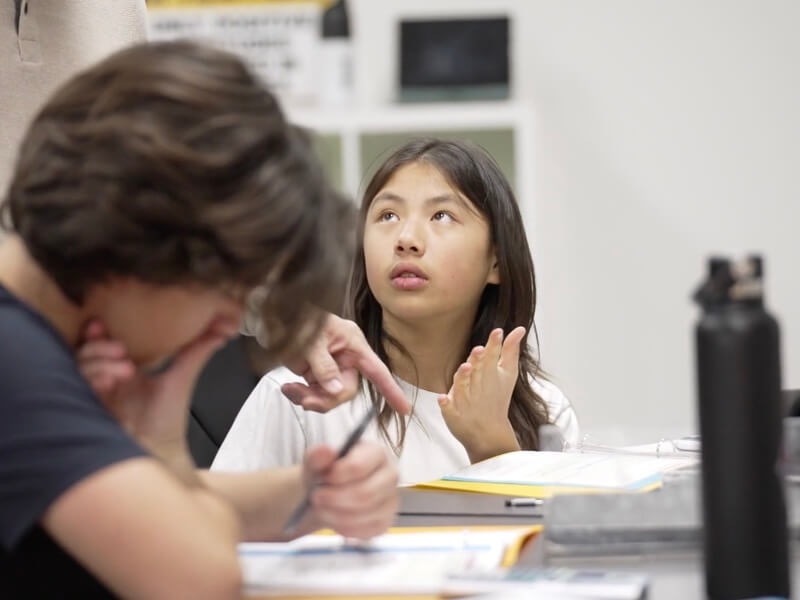
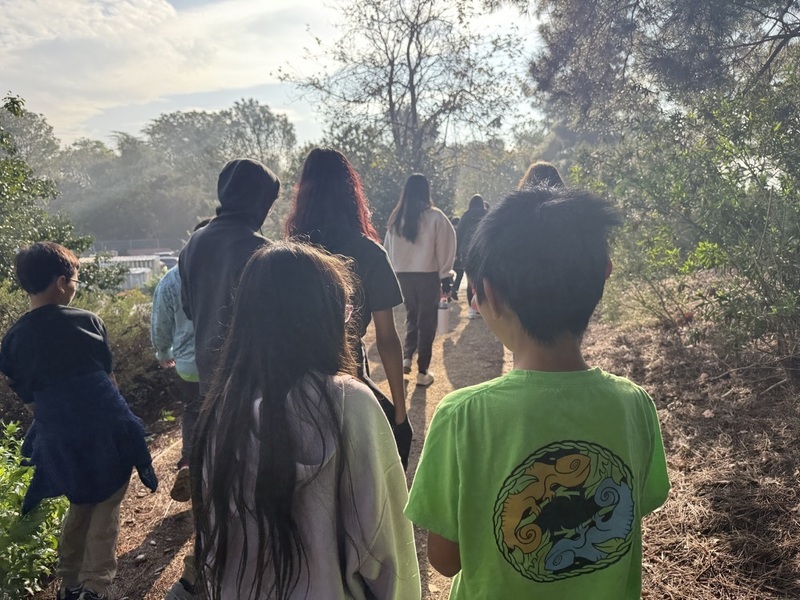
OUTRIDE PROGRAM
Learning doesn't stop at the classroom door
Every other week, TCS students ride or explore the San Diego Creek Trail, right outside our building. This isn't recess. It's not a reward.
For girls with ASD and ADHD, movement and nature are genuine regulatory tools. Our outdoor learning is structured, intentional, and adult-guided. It reinforces the regulation, focus, and teamwork students build inside the classroom, all in an environment that's a wildlife sanctuary and creek trail.
TCS sits next to the San Diego Creek Trail and the Irvine Wildlife Sanctuary. We put that to use.
The first step is just a conversation.
|
|
|
1 |
|
Tell us about your child. Fill out a short inquiry. About three minutes, no formal application, no paperwork. Just the basics so we can have a real conversation.
|
|
|
|
2 |
|
We talk. An admissions conversation, not a test. You tell us what's happened. We'll tell you honestly whether TCS is likely to be the right fit. No pressure in either direction.
|
|
|
|
3 |
|
Come see it. If there's a mutual sense of fit, we'll invite you and your daughter to visit. You'll see how the day flows. She'll spend time in the classroom. We'll know more. So will you.
|
We move at your pace. No pressure.
Looking for grade-specific information?
Every grade at TCS is a little different. Select your daughter's current grade below.
Questions we hear from families of girls with ASD and ADHD.
No. Many of our students have a diagnosis, but it's not required. We focus on whether our environment is the right match for how your daughter learns and regulates. If she's been struggling in ways that traditional school hasn't fully explained -- with attention, regulation, organization, or social navigation -- that's enough to start a conversation.
"Doing fine" at school while falling apart at home is one of the most common presentations of ASD and ADHD masking in girls. Fine at school often means working at capacity and leaving nothing in reserve. The academic performance may look acceptable while the emotional and regulatory cost is very high. If your daughter is consistently dysregulating at home, that's information about the load the school environment is placing on her, even if teachers describe her as doing well.
Yes. AuDHD is a profile we see frequently. The combined challenges of ADHD and ASD create a specific picture: executive function difficulties layered on top of ASD-related sensory and social challenges. The TCS environment, structured, small, explicit, movement-integrated, addresses both simultaneously.
Yes. TCS is certified by the California Department of Education as a Nonpublic School. Families with an active IEP may be eligible for district-funded placement. Our admissions team can explain how this process works.
She deserves a school built for her.
The first step doesn't commit you to anything. It's a short inquiry and a real conversation with someone who will listen and tell you honestly whether TCS is the right fit.

\\\