
Third Grade is When the Gap Widens.
Third grade is when the gap between what your child knows and what they can produce first becomes visible. It's not a willpower problem. It's an environment problem.
The Craig School was built specifically for students with ADHD, ASD, and executive functioning challenges.

No pressure. No commitment. Just a real conversation about your child.
Now enrolling for 2026–27.
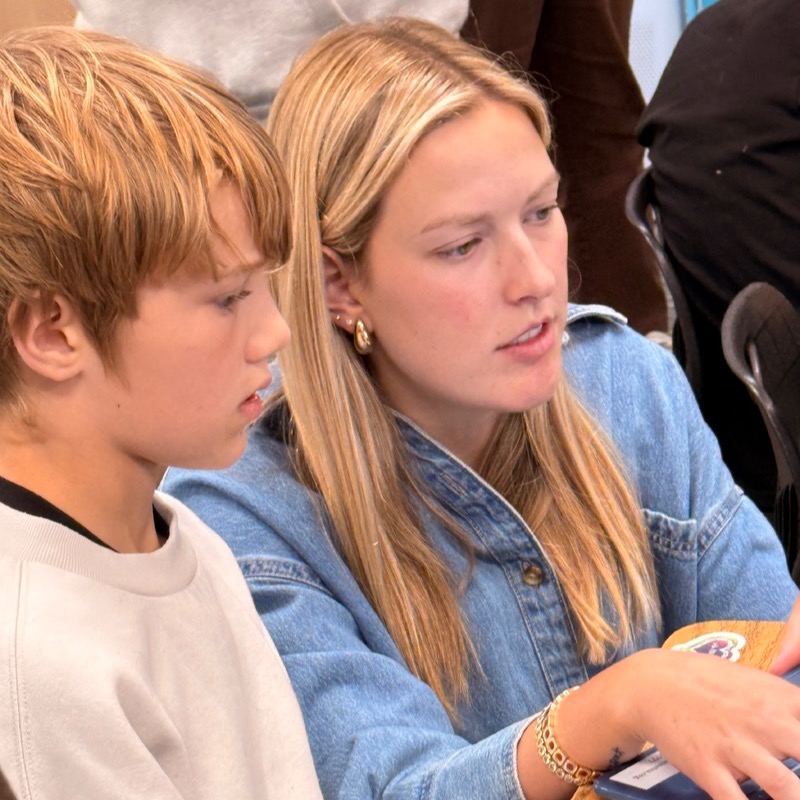
IT'S THE SAME STORY
Your 3rd grader came home frustrated today (yet again)
By 3rd grade, school stops being about showing up and starts being about performing. Reading independently. Writing multi-sentence responses. Staying organized.
For kids with ASDS, ASD and executive functioning challenges, this is often when the gap first appears.
DOES THIS SOUND LIKE YOUR CHILD?
| You have a bright child who can explain everything at home but struggles to get it down on paper at school. |
| Nightly homework that takes three times as long as it should and ends in tears or shutdown (for you and your child). |
| Your child's teacher genuinely likes them but doesn't know how to reach them. |
| Your doctor provided a diagnosis that finally explained a lot... but you don't know what to do next. |
| You've talked to the school about basic accommodations but they didn't help. |
| You worry that if something doesn't change soon, the gap will only widen and things will get worse. |
You didn't do anything wrong. They are simply in the wrong environment.
And 3rd grade is not too late to fix it.
5:1
Every classroom.
Every day.
35 Years
UC Irvine research behind TCS
Daily
Social skills instruction.
Not occasional.
93%
Of 8th graders return to traditional school
"This school has given her confidence, academic growth, and a genuine sense of belonging."
Heather S. Miethe-Wong
Parent of a 6th grader at TCS
WE'RE BUILT FOR YOUR CHILD
Most schools add accommodations. We built a school from scratch.
There is a real difference between a school that "supports" students with ADHD and ASD, and a school that was built around how those students learn. Our students have already experienced the traditional classroom with a layer of help added.
TCS is entirely different. Based on over 35 years of real research at UC Irvine, we launched a new type of school. Designed from the ground up specifically for students with ADHD, ASD, and related executive functioning concerns. Our goal is simple... teach students with support and respect in the way that they learn. Give them (and their family) the tools to self-advocate for their learning differences without stigma or shame.
The Craig School Difference
Designed for Kids Who Learn Differently
We designed a program with structure, routines, and pacing built for how they learn. Not layered on top of a traditional model.
5:1 Student-to-Staff Ratio
For every 5 students, there is at least 1 staff member in the classroom. That extra support is our standard.
Founded on 35 Years of Research
Not a Philosophy. The TCS model is grounded in research developed over 35 years at UC Irvine.
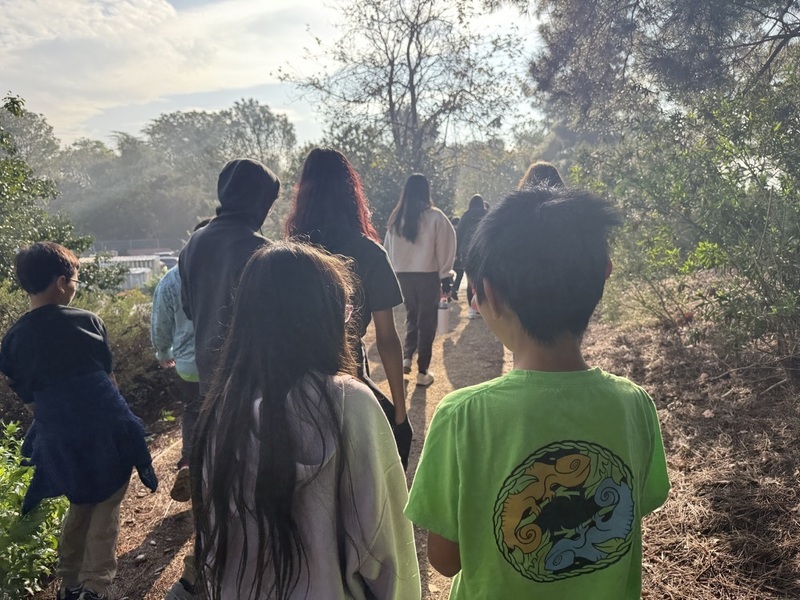
EXPERIENTIAL LEARNING
Outdoor Classrooms
TCS sits next to the San Diego Creek Trail and the Irvine Wildlife Sanctuary. We put that to use.
For students with ADHD and ASD, movement is a critical part of how they reset and refocus. From riding a bike on the trail to exploring the wildlife sanctuary, we incorporate lessons that reinforce what our students are being taught every day.
Social skills, focus, listening to instructions, teamwork, and regulation are common lessons in our outdoor classrooms.
WORKING TOGETHER TO ENSURE A FIT
The first step is just a conversation.
We know that our families often come to us exhausted after navigating traditional school environments that caused more issues than they fixed. That's why we designed our admissions process as a real conversation, not a screening. We'll guide you through the next steps.
|
|
|
1 |
|
Tell us about your child. Fill out a short inquiry. About three minutes, no formal application, no paperwork. Just the basics so we can have a real conversation.
|
|
|
|
2 |
|
We talk. An admissions conversation, not a test. You tell us what's happened. We'll tell you honestly whether TCS is likely to be the right fit. No pressure in either direction.
|
|
|
|
3 |
|
Come see it. If there's a mutual sense of fit, we'll invite you and your child to visit. You'll see how the day flows. Your child will spend time in the classroom. We'll know more. So will you.
|
We move at your pace. No pressure.
Exploring other grades?
The Craig School serves students in grades 3 through 8.
Questions we hear from 3rd grade families
No. Many students arrive without one. We focus on whether our environment fits how your child learns. If they struggle with attention, regulation, or organization in ways traditional school doesn't address, that's enough to start a conversation.
That's the right time to reach out. Many families come to us early, before they've made any decisions. We're happy to be part of that process. Early conversations are often the most useful ones.
We most commonly support students with ADHD, executive functioning challenges, anxiety, and autism spectrum disorders. Students should have average intellectual ability and be able to participate in a small group setting without requiring continuous one-to-one support.
We encourage families to reach out early. Contact us to learn about current availability for the 2026-27 school year.
The right time to find the right environment is now.

\\\