
The gap isn't who your child is. It's where they've been.
Seventh grade is when years of struggling in the wrong environment start to look like a permanent trait. A child who has heard, directly and indirectly, that the problem is theirs.
The Craig School was built specifically for students with ADHD, ASD, and executive functioning challenges. Not as an accommodation. As the design.

No pressure. No commitment.
Now enrolling for 2026–27.
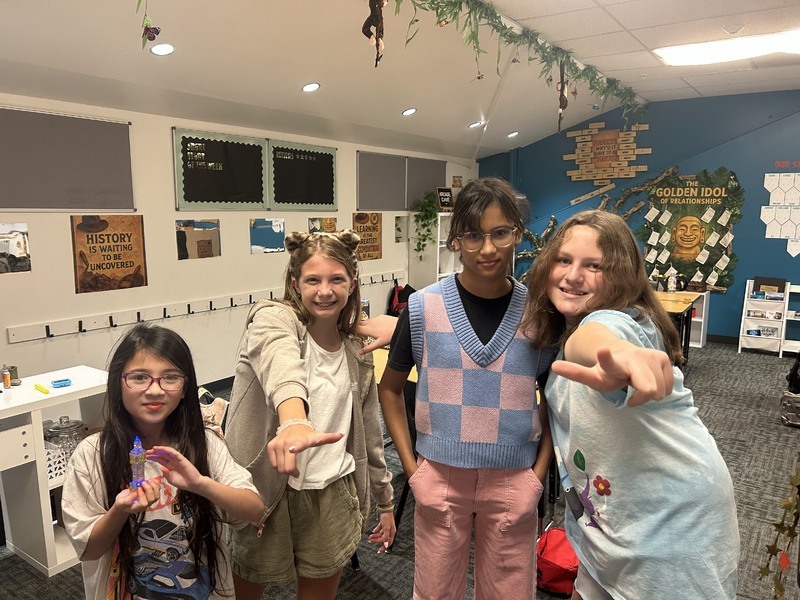
DOES THIS SOUND FAMILIAR?
Has your 7th grader started to believe the struggle is just who they are?
You're in the right place.
By 7th grade, most families have already worked through the layered approach. The 504. The tutor. The medication adjustments. The teacher conferences. Each one helped at the edges. None of them changed the environment. For kids with ADHD, ASD, and executive functioning challenges, 7th grade is when the accumulated weight of being in the wrong place starts showing up not just in grades, but in how your child sees themselves.
| A report card that still says "capable" while the grades tell a different story |
| A folder full of accommodations that helped at the margins but changed nothing fundamental |
| A child who has stopped initiating at school because repeated failure is worse than not trying |
| A growing fear that the academic gap is now permanent, not temporary |
| A student whose sense of self has started to shrink around what they struggle with |
| A quiet dread that high school is coming and nothing is actually different |
You didn't miss anything. The environment missed them.
And 7th grade is not too late to fix it.
5:1
Every classroom.
Every day.
35 Years
UC Irvine research behind TCS
Daily
Social skills instruction.
Not occasional.
93%
Of 8th graders return to traditional school
"This school has given her confidence, academic growth, and a genuine sense of belonging."
Heather S. Miethe-Wong
Parent of a 6th grader at TCS
BUILT FOR YOUR CHILD
Most schools add accommodations. We build from scratch.
There is a real difference between a school that supports students with ADHD and a school that was built around how those students learn. The first is still a traditional classroom with a layer of help added. The second is something different entirely.
Architecture, Not Accommodation
The structure, routines, and pacing were built for their brain. Not layered on top of a traditional model.
5:1 Student-to-Staff Ratio
For every 5 students, there is at least 1 staff member in the classroom. That's our standard.
Founded on 35 Years of Research
Not a Philosophy. The TCS model is grounded in research developed over 35 years at UC Irvine.
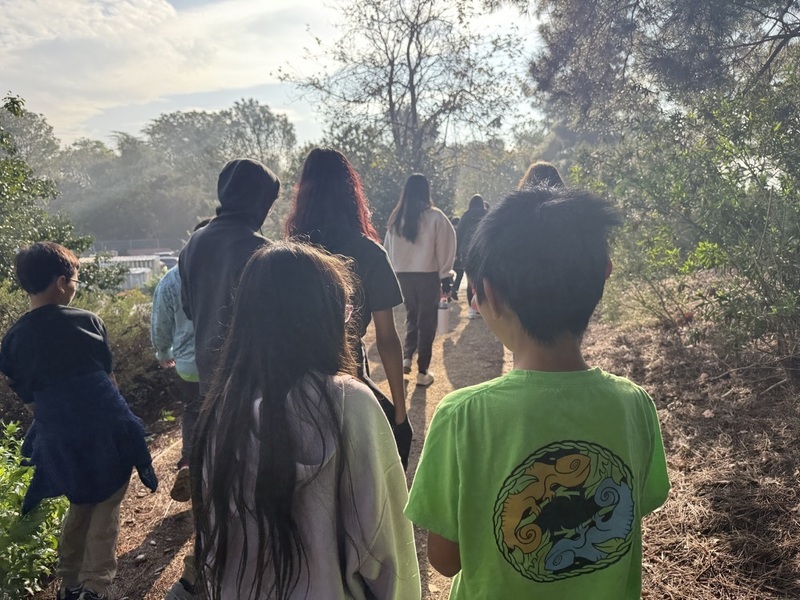
OUTRIDE PROGRAM
Learning doesn't stop at the classroom door
Every other week, TCS students ride or explore the San Diego Creek Trail, right outside our building. This isn't recess. It's not a reward.
For students with ADHD and ASD, movement and nature aren't extras — they're part of how learning works. The OutRide Program is structured, intentional, and adult-guided. It reinforces the regulation, focus, and teamwork students build inside the classroom, in an environment that's a wildlife sanctuary and creek trail.
TCS sits next to the San Diego Creek Trail and the Irvine Wildlife Sanctuary. We put that to use.
WORKING TOGETHER TO ENSURE A FIT
The first step is just a conversation.
|
|
|
1 |
|
Tell us about your child. Fill out a short inquiry. About three minutes, no formal application, no paperwork. Just the basics so we can have a real conversation.
|
|
|
|
2 |
|
We talk. An admissions conversation, not a test. You tell us what's happened. We'll tell you honestly whether TCS is likely to be the right fit. No pressure in either direction.
|
|
|
|
3 |
|
Come see it. If there's a mutual sense of fit, we'll invite you and your child to visit. You'll see how the day flows. Your child will spend time in the classroom. We'll know more. So will you.
|
We move at your pace. No pressure.
Questions we hear from 7th grade families
No. Many of our students have a diagnosis, but it's not required. We focus on whether our environment is the right match for how your child learns. If your child struggles with attention, regulation, organization, or social navigation in ways that traditional school hasn't addressed, that's enough to start a conversation.
Accommodations work within the existing structure. TCS is a different structure entirely. The ratio, the routines, the pacing, the social skills program — none of it was added on. It was the starting point. For kids who have already shown that supports-on-top-of-traditional don't move the needle, that distinction matters.
Yes. TCS is certified by the California Department of Education as a Nonpublic School (NPS). Depending on your child's IEP, some families may be eligible to have costs covered through their school district. Our admissions team can walk you through how that works.
We encourage families to begin the conversation early. Reach out to learn about current availability for the 2026-27 school year.
The right time to find the right environment is now.
The first step doesn't commit you to anything. It's a short inquiry and a real conversation with someone who will listen and tell you honestly whether TCS is the right fit.
